

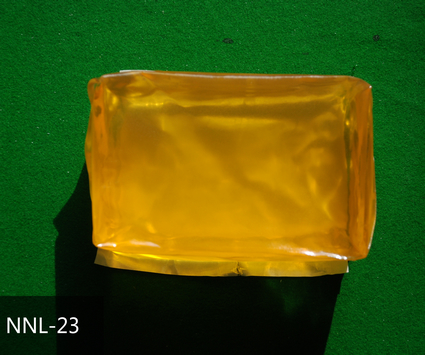
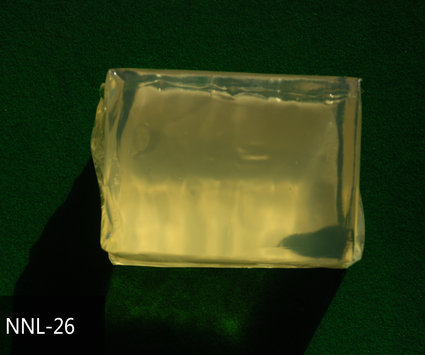
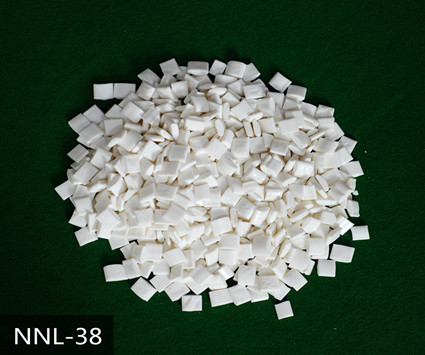
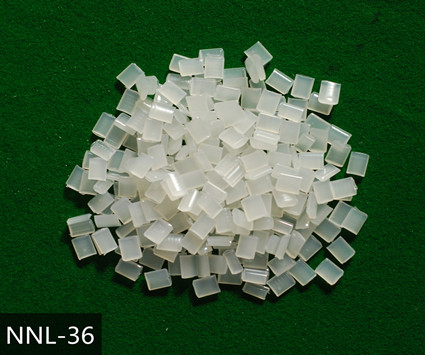
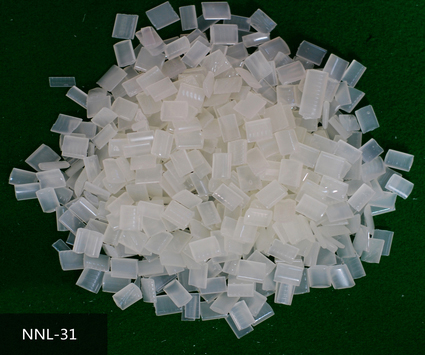
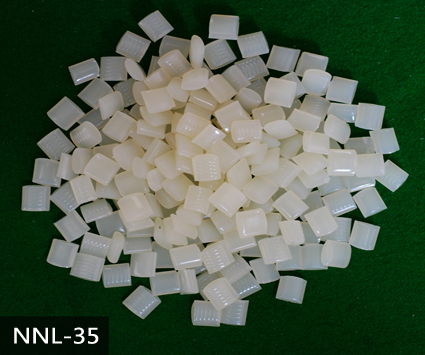
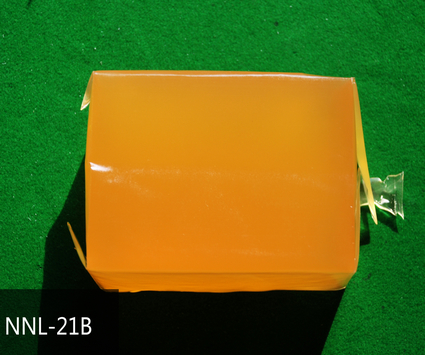
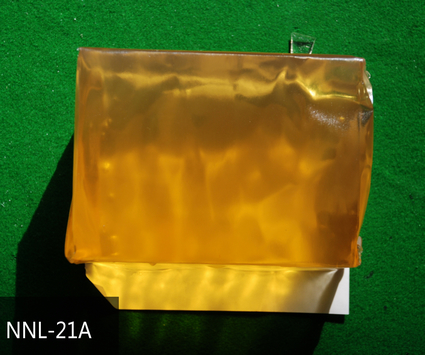
EVA hot melts are formulated with resin, tackifiers and waxes in varying proportions depending on the adhesive’s end use. For years, the majority of EVA applications have involved cardboard box sealing and packaging. Today’s advances in formulation technology now allow these adhesives to be used for more general-purpose bonding applications. This technology is currently experiencing the greatest growth in the appliance industry, with usage increasing approximately six percent per year.
New EVA formulations offer short to moderate open times 40 - 60 seconds, and excellent adhesion to many substrates including paper, wood, plastics, rubbers, metals (especially steel and aluminum), and painted metals. Pressure-sensitive EVAs, which stay tacky even after cooling are a recent advancement in hot melt technology, and are becoming increasingly popular for product assembly applications.
Certain adhesive manufacturers offer specialty EVA hot melts that are FDA approved for indirect food contact, allowing this adhesive to be used not only in food packaging but also in cooking and food related applications. These adhesives offer advantages for applications that require 21 CFR.175 approval or applications such as bonding insulation in refrigeration systems, positioning/tacking electrical wire harnesses, and other general purpose assemblies such as bonding tags and labels to appliances.
New EVA formulations offer short to moderate open times 40 - 60 seconds, and excellent adhesion to many substrates including paper, wood, plastics, rubbers, metals (especially steel and aluminum), and painted metals. Pressure-sensitive EVAs, which stay tacky even after cooling are a recent advancement in hot melt technology, and are becoming increasingly popular for product assembly applications.
Certain adhesive manufacturers offer specialty EVA hot melts that are FDA approved for indirect food contact, allowing this adhesive to be used not only in food packaging but also in cooking and food related applications. These adhesives offer advantages for applications that require 21 CFR.175 approval or applications such as bonding insulation in refrigeration systems, positioning/tacking electrical wire harnesses, and other general purpose assemblies such as bonding tags and labels to appliances.