

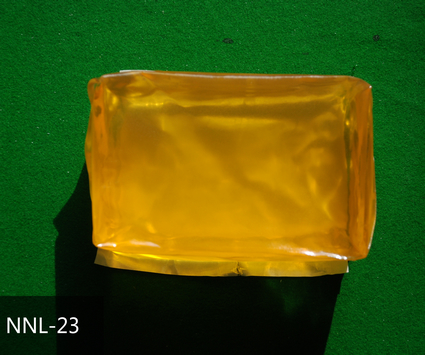
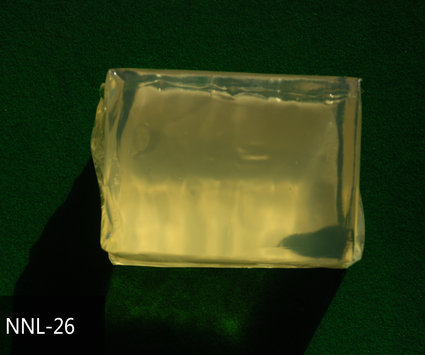
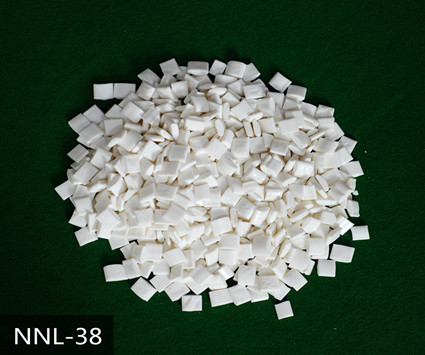
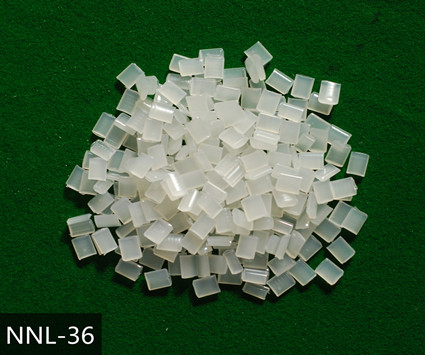
The major appliance industry is intensely competitive, with appliance manufacturers moving aggressively to strengthen their competitive positions worldwide. To reduce costs and improve profitability, design and manufacturing engineers continually strive to achieve this goal via new product designs and manufacturing efficiencies using new technologies, including adhesives.
The use of adhesives has become increasingly popular in appliance assembly applications because they reduce component inventory and decrease total manufacturing costs. Adhesives can provide a number of benefits over mechanical fasteners, replacing staples, screws and rivets, while frequently improving the overall aesthetics of the appliance.
Hot melt adhesive technology has long been a staple of appliance design and assembly as they are less costly when compared to other adhesive technologies. In addition, they can be easily integrated into the high speed manufacturing processes typically demanded by the appliance industry. According to Skeist Incorporated, in 1997, the appliance industry used 7.2 million pounds of hot melt adhesives in bonding applications.
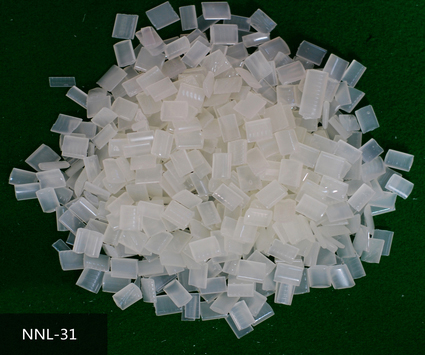
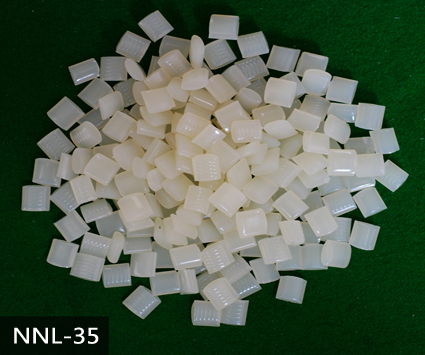
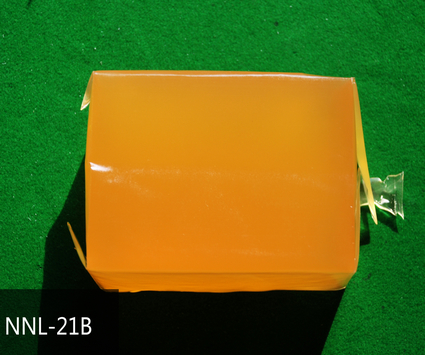
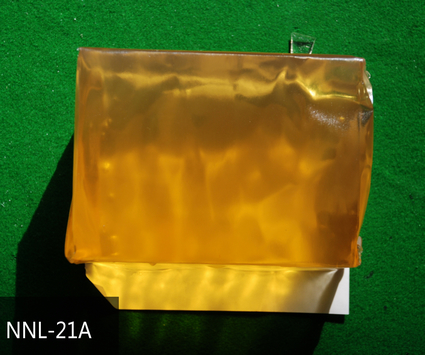
The technology used in producing traditional hot melt adhesives is thermoplastic resins, which can be softened, reshaped, and dispensed on exposure to heat and pressure. A process that takes only seconds after dispensing, these thermoplastic adhesives achieve full strength once they cool, minimizing clamp times and allowing fast assembly cycles. Hot melt adhesives are also clean and easy to automate. They provide excellent gap filling capabilities, bond a wide variety of porous and non-porous substrates including pre-painted steel and polyolefin plastics, with low to no toxicity.
However, these traditional hot melt adhesives are also recognized for their limitations. They are typically temperature sensitive, softening at high temperatures and becoming brittle in low temperatures. At elevated temperatures, these adhesives are susceptible to joint movement or creep, which can result in bond failure. When applied at 375 to 450°F, traditional hot melts cannot be used on temperature sensitive substrates. Open time (the amount of time before the liquid cools into a solid) is extremely limited, minimizing the time available for part adjustment.
The use of adhesives has become increasingly popular in appliance assembly applications because they reduce component inventory and decrease total manufacturing costs. Adhesives can provide a number of benefits over mechanical fasteners, replacing staples, screws and rivets, while frequently improving the overall aesthetics of the appliance.
Hot melt adhesive technology has long been a staple of appliance design and assembly as they are less costly when compared to other adhesive technologies. In addition, they can be easily integrated into the high speed manufacturing processes typically demanded by the appliance industry. According to Skeist Incorporated, in 1997, the appliance industry used 7.2 million pounds of hot melt adhesives in bonding applications.
The technology used in producing traditional hot melt adhesives is thermoplastic resins, which can be softened, reshaped, and dispensed on exposure to heat and pressure. A process that takes only seconds after dispensing, these thermoplastic adhesives achieve full strength once they cool, minimizing clamp times and allowing fast assembly cycles. Hot melt adhesives are also clean and easy to automate. They provide excellent gap filling capabilities, bond a wide variety of porous and non-porous substrates including pre-painted steel and polyolefin plastics, with low to no toxicity.
However, these traditional hot melt adhesives are also recognized for their limitations. They are typically temperature sensitive, softening at high temperatures and becoming brittle in low temperatures. At elevated temperatures, these adhesives are susceptible to joint movement or creep, which can result in bond failure. When applied at 375 to 450°F, traditional hot melts cannot be used on temperature sensitive substrates. Open time (the amount of time before the liquid cools into a solid) is extremely limited, minimizing the time available for part adjustment.